Archives
- 2026-09
- 2026-08
- 2026-07
- 2026-06
- 2026-05
- 2026-04
- 2026-03
- 2026-02
- 2026-01
- 2025-12
- 2025-11
- 2025-10
- 2025-09
- 2025-04
- 2025-03
- 2025-02
- 2025-01
- 2024-12
- 2024-11
- 2024-10
- 2024-09
- 2024-08
- 2024-07
- 2024-06
- 2024-05
- 2024-04
- 2024-03
- 2024-02
- 2024-01
- 2023-12
- 2023-11
- 2023-10
- 2023-09
- 2023-08
- 2023-06
- 2023-05
- 2023-04
- 2023-03
- 2023-02
- 2023-01
- 2022-12
- 2022-11
- 2022-10
- 2022-09
- 2022-08
- 2022-07
- 2022-06
- 2022-05
- 2022-04
- 2022-03
- 2022-02
- 2022-01
-
The effects of opioids such as
2022-01-03
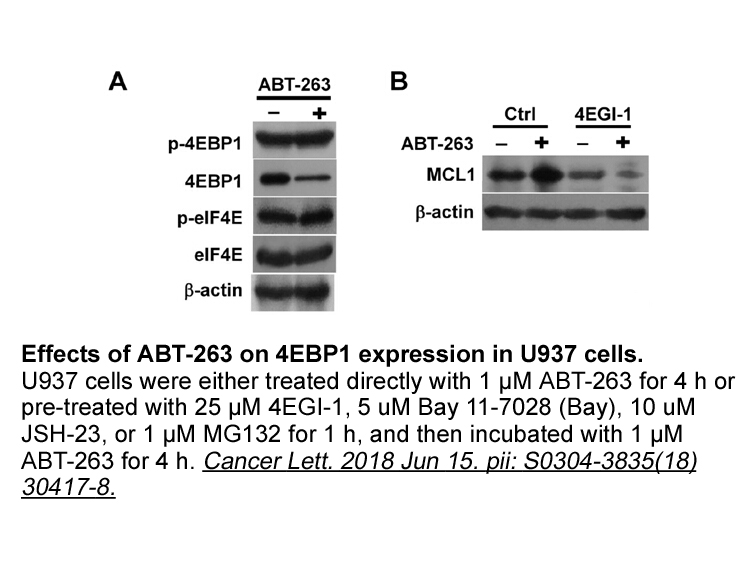
The effects of opioids such as morphine are mediated through the opioid receptors. Opioid receptors are widely expressed both peripherally and in the CNS (Chen et al., 1993, Evans et al., 1992). The opioid agonist morphine has been shown to amplify the effect of the tubular cell-gp120 interaction on
-
The existence of EAAT subtypes
2022-01-03
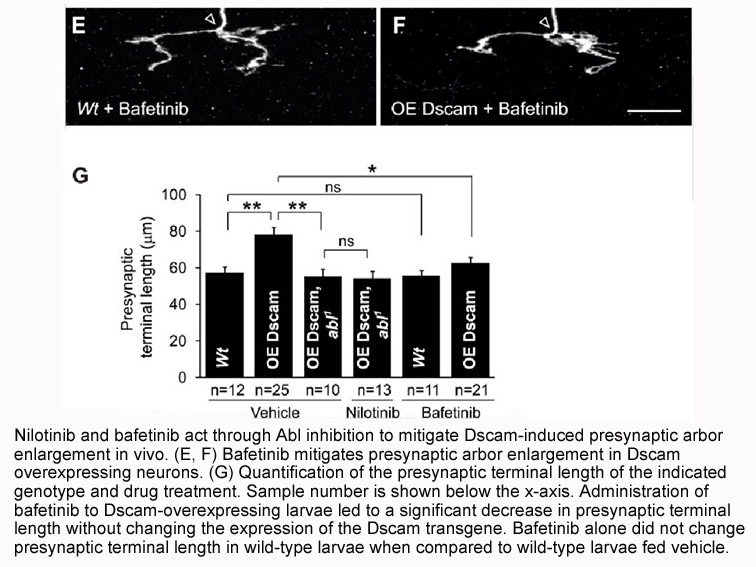
The existence of 5 EAAT subtypes raises obvious questions as to the cellular and anatomical distribution of the various transporters (for review, see Gegelashvili & Schousboe, 1998, Danbolt, 2001). While difference in techniques (i.e., protein vs. mRNA), reagents, and preparations (i.e., in vivo vs.
-
To examine the possible role of
2022-01-03
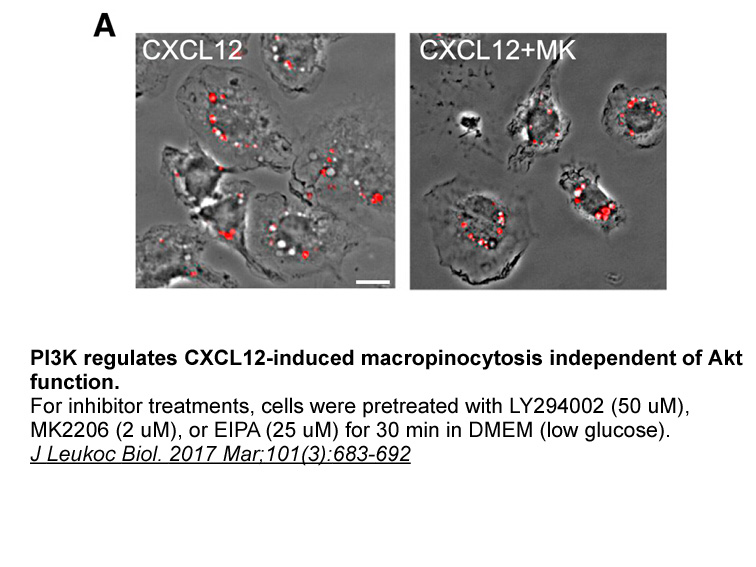
To examine the possible role of mGluRs in the LH/PFA in the hypercapnic ventilatory response, a nonspecific antagonist of mGluRs, MCPG, was microinjected into the LH/PFA. MCPG elicited a significantly increased hypercapnic ventilatory response in awake rats, but not during sleep, in the light and da
-
Cellular inhibition is caused by the hyperpolarization
2022-01-03
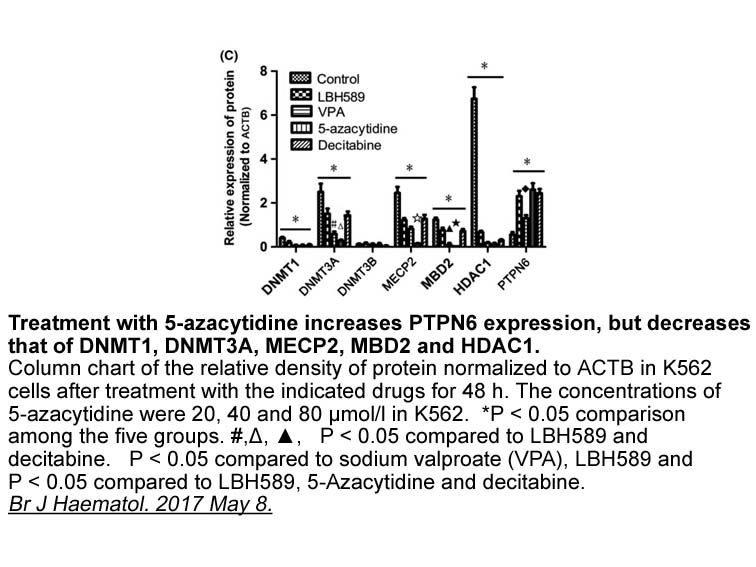
Cellular inhibition is caused by the hyperpolarization of the cell and is mediated by both synaptic and extrasynaptic GABAARs. Synaptic GABAARs are sensitive to high concentrations of GABA released at the synapse and mediate phasic inhibition. In contrast, extrasynaptic GABAARs mediate tonic inhibit
-
Thus far it is reported that the histone methyltransferase
2022-01-03
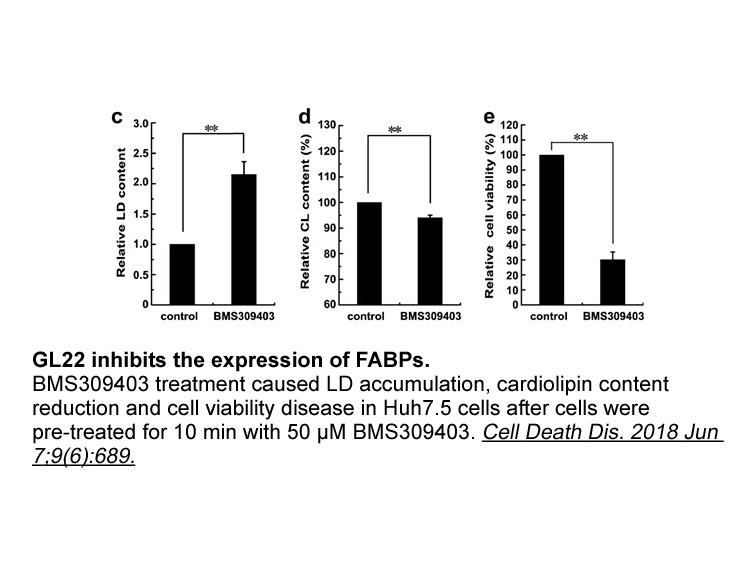
Thus far, it is reported that the histone methyltransferase activity of SUV39H1 is regulated through some posttranslational modifications. For example, deacetylation of SUV39H1 at Lys-266 by SIRT1 deacetylase increases SUV39H1 activity [31], and methylation of SUV39H1 at Lys-105 and Lys-123 by SET7
-
TIC10 australia With LML methyl oxo dihydropyridazin yl pipe
2022-01-03
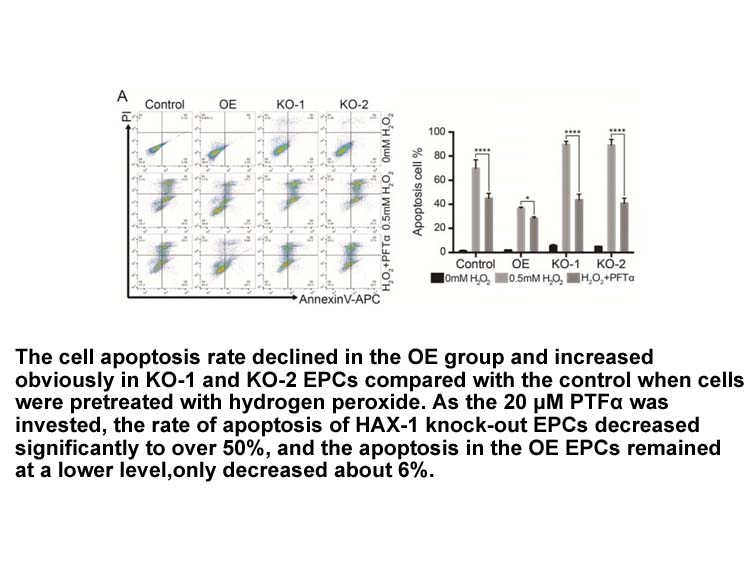
With LML-134 (1-(1-methyl-6-oxo-1,6-dihydropyridazin-3-yl)piperidin-4-yl 4-cyclobutylpiperazine-1-carboxylate) containing drug-likeness properties (MW 375.47, five HBA, and MLogP 1.88), Novartis presents an additional drug-candidate to treat excessive sleepiness. A phase I clinical study was perform
-
The nuclear repressor BACH is known
2022-01-03
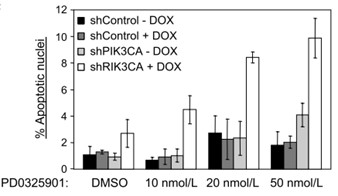
The nuclear repressor BACH1 is known to control HO-1 expression together with the transcriptional activator NRF2. The results of our study show that HO-1 gene expression in LPS-stimulated macrophages is primarily regulated via BACH1. This idea is supported by a series of experimental evidence demons
-
Theoretically the majority of resistance mechanisms identifi
2022-01-03
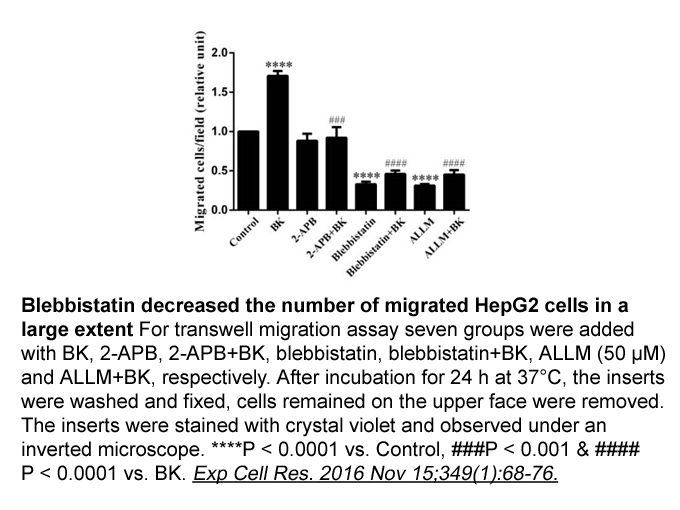
Theoretically, the majority of resistance mechanisms identified so far could be targeted by compounds that are already available, such as inhibitors of ER, PIK3CA/mTOR or FGFR1. However, the potential therapeutic advantage of combining these agents with standard HER2-targeting treatments must be wei
7898 records 527/527 page Previous First page 上5页 526527