Archives
- 2026-09
- 2026-08
- 2026-07
- 2026-06
- 2026-05
- 2026-04
- 2026-03
- 2026-02
- 2026-01
- 2025-12
- 2025-11
- 2025-10
- 2025-09
- 2025-04
- 2025-03
- 2025-02
- 2025-01
- 2024-12
- 2024-11
- 2024-10
- 2024-09
- 2024-08
- 2024-07
- 2024-06
- 2024-05
- 2024-04
- 2024-03
- 2024-02
- 2024-01
- 2023-12
- 2023-11
- 2023-10
- 2023-09
- 2023-08
- 2023-06
- 2023-05
- 2023-04
- 2023-03
- 2023-02
- 2023-01
- 2022-12
- 2022-11
- 2022-10
- 2022-09
- 2022-08
- 2022-07
- 2022-06
- 2022-05
- 2022-04
- 2022-03
- 2022-02
- 2022-01
-
The known crystal structures of
2024-02-04
The known crystal structures of class C GPCR VFTs do not include attached TM domains, therefore current conformational data may not accurately reflect the dynamics of extracellular domains in full-length receptors. Nevertheless, compelling mechanisms of signal transduction can still be postulated. S
-
br Antioxidant polymers conjugates Natural antioxidants
2024-02-04
Antioxidant-polymers conjugates Natural antioxidants are usually used as a substitute for synthetics but some degradation phenomena could influence their applications. For example, ascorbic Protease Inhibitor Library as a natural antioxidant undergoes yellowish coloration as a result of oxidatio
-
br Conflict of interest statement br
2024-02-02

Conflict of interest statement Introduction Human saliva contains many detoxifying and antioxidant dna-pk inhibitor like glutathione S-transferase, catalase, peroxidase, aldehyde dehydrogenase (ALDH), etc. [1]. Human salivary ALDH (hsALDH) protects individuals from toxic aldehydes contained i
-
In glaucoma the primary retinal
2024-02-02
In glaucoma, the primary retinal defect appears in the GCL, whereas the other retinal layers appear normal (Kendell et al., 1995). In the current work, chronic elevation of IOP induced RGC apoptosis, especially in the GCL, and α2 adrenergic treatment reduced RGC apoptosis. Various studies have repor
-
To confirm a role of OCT
2024-02-02
To confirm a role of OCT3 in corticosterone-induced potentiation of cocaine-primed reinstatement, we examined the interaction of corticosterone and cocaine in the reinstatement of cocaine conditioned place preference (CPP) in wild type mice, and transgenic OCT3-deficient mice. These mice express a t
-
Voluminous literature about the neuroendocrine mechanism of
2024-02-02
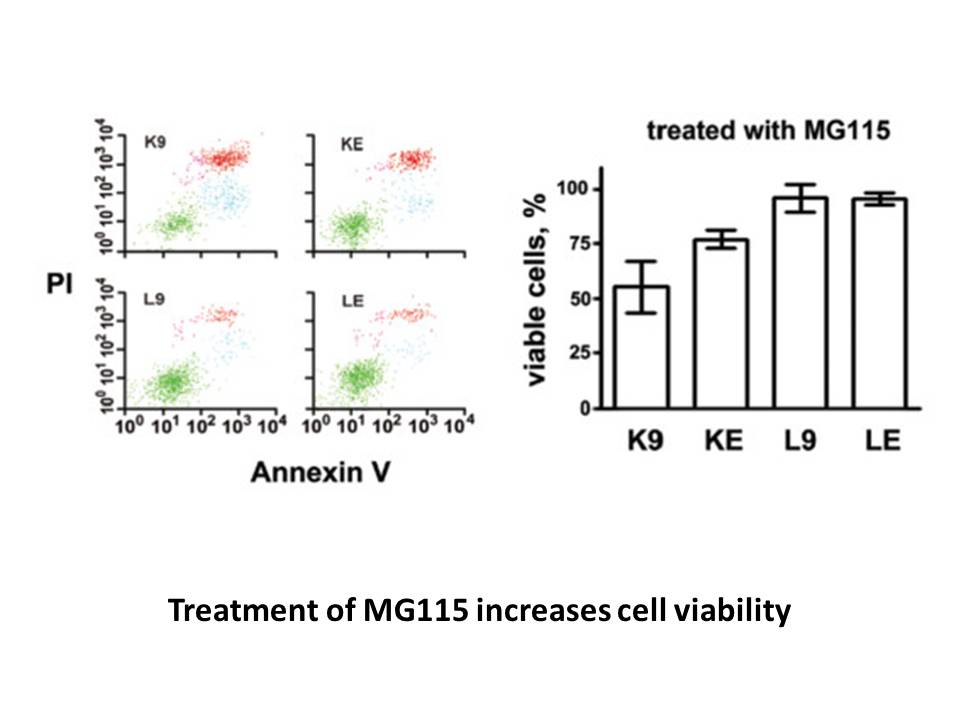
Voluminous literature about the neuroendocrine mechanism of reproduction and energy regulation has emerged from studies involving mammalian species. The avian infundibular nucleus (equivalent structure to the mammalian arcuate nucleus) consists of two neuronal populations, one of which expresses neu
-
are the squared cross validation coefficients for leave
2024-02-02
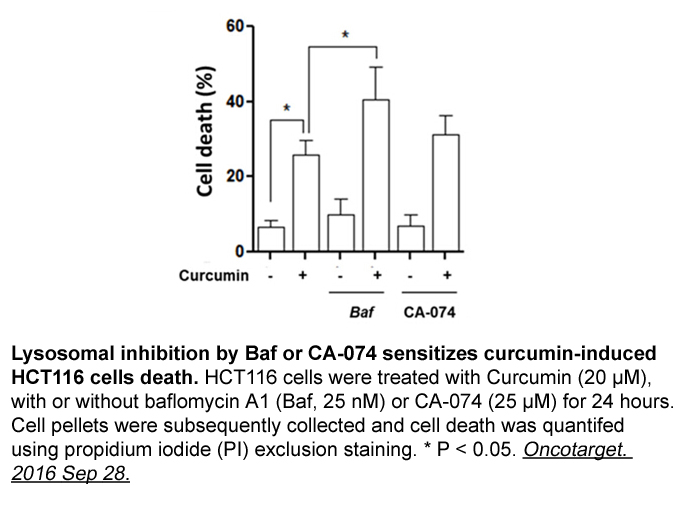
are the squared cross-validation coefficients for leave-one-out, bootstrapping and leave group out respectively. R2 is the squared correlation coefficient, is the adjusted R2 and F is Fisher F-statistic. All values in parentheses are standard deviations. The prediction results which w
-
MicroRNA miRNA is an abundant group of small nucleotide
2024-02-02
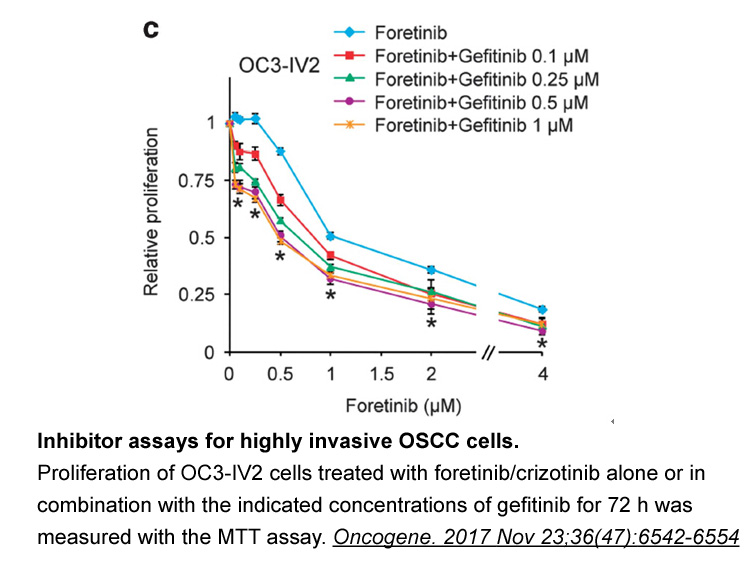
MicroRNA (miRNA) is an abundant group of small (22-nucleotide) noncoding RNA molecules that directly binds with 3′ untranslated region (UTR) of target messenger RNAs (mRNAs) to regulate gene expression, playing an important role in variety of biological processes including cell proliferation, apopto
-
The AChR is composed of five homologous membrane
2024-02-02
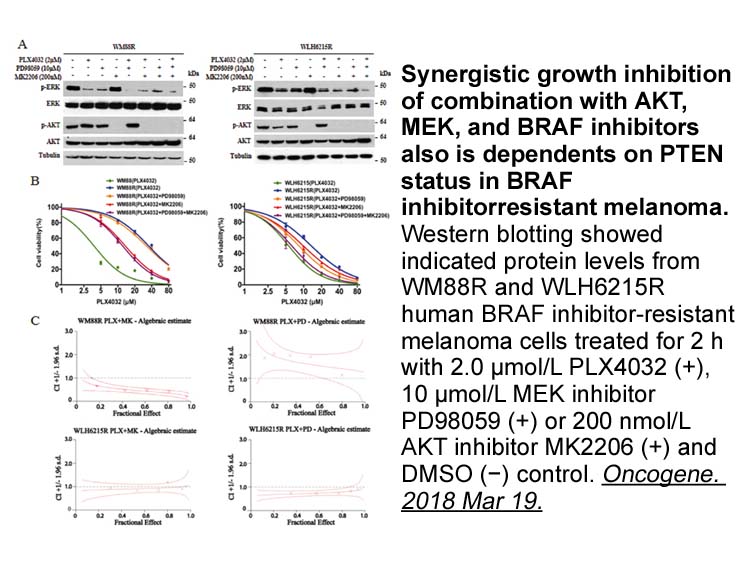
The AChR is composed of five homologous, membrane-spanning subunits. AChRs containing two α, one β, one δ and one γ subunit (AChRγ) predominate during embryonic development and mice lacking AChRγ die at birth (Takahashi et al., 2002). After birth, the AChRγs are replaced during the first 2 postnatal
-
The first suggestions that the cleaved
2024-02-02
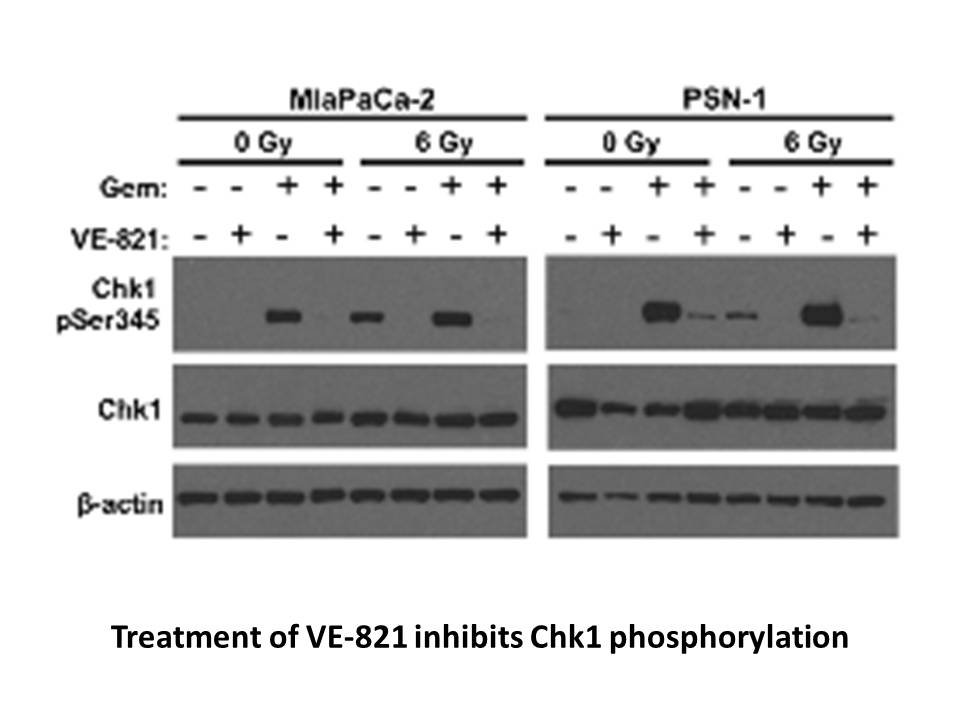
The first suggestions that the cleaved intracellular domain of APP, AICD, might transit to the nucleus and hence selectively regulate gene transcription arose from analogies with the Notch receptor signalling system where similar intra-membrane proteolysis occurs [84], [85] and it was later confirme
-
An alternative to the agonist or antagonist
2024-02-02
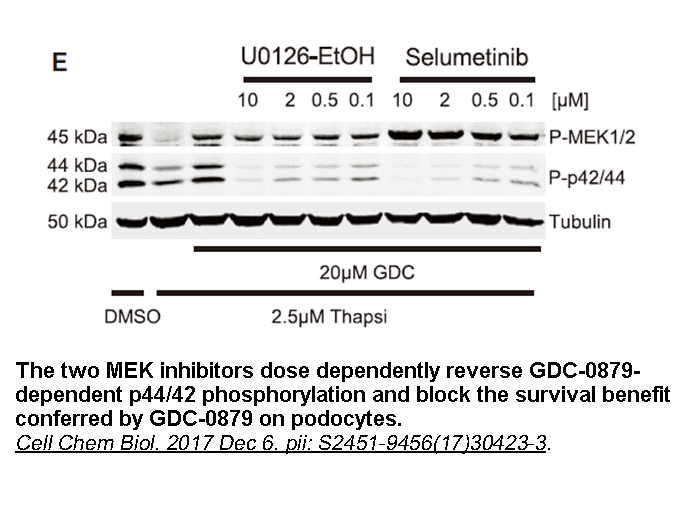
An alternative to the agonist or antagonist potential in drug discovery is the positive allosteric modulator (PAM) approach, which can augment the normal processes of neurotransmission as opposed to directly replacing or antagonizing them. PAMs are thought to bind to sites that are distinct from the
-
Inhibitors of mPGES are considered as safe alternative
2024-02-02
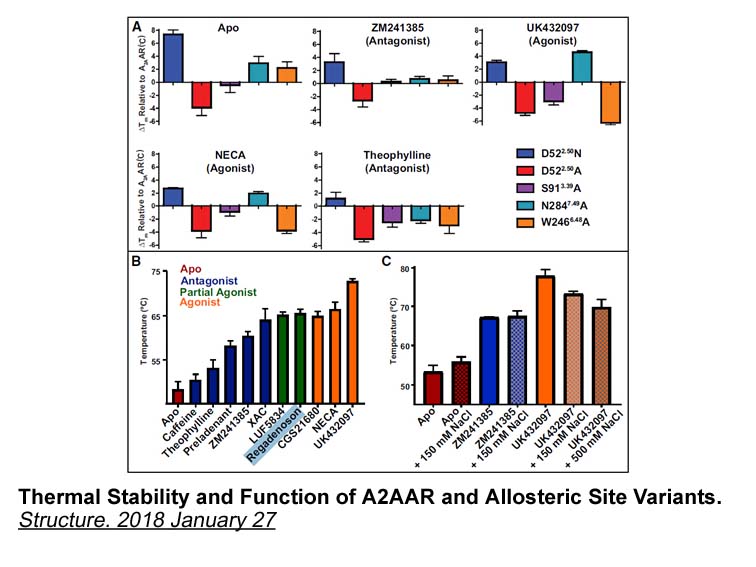
Inhibitors of mPGES-1 are considered as safe alternative to NSAIDs in the treatment of chronic inflammatory diseases that are characterized by excessive PGE2 production (Bahia et al., 2014; Khurana and Jachak, 2016; Koeberle et al., 2016; Korotkova and Jakobsson, 2014; Norberg et al., 2013; Psarra e
-
The gene SRD A encodes the reductase enzyme
2024-02-02
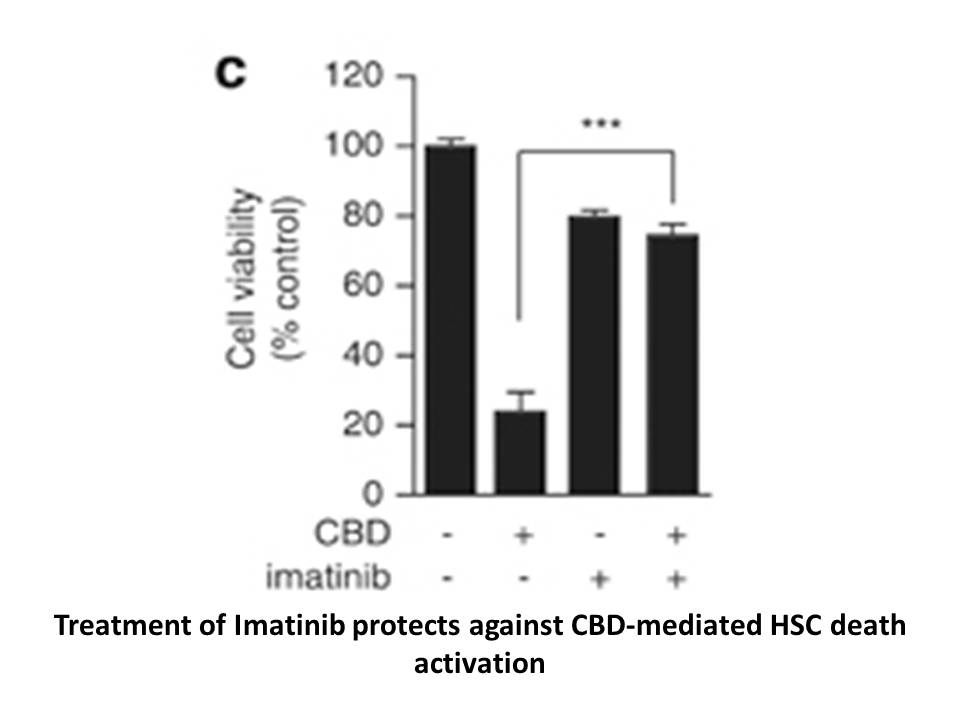
The gene SRD5A2 encodes the 5-α-reductase enzyme, which converts testosterone into dihydrotestosterone. Although dihydrotestosterone levels are considerably lower than testosterone, dihydrotestosterone has a five-fold stronger binding capacity to the androgen receptor and, thereby, a considerably mo
-
In our previous report we synthesized derivatives
2024-02-02
In our previous report, we synthesized derivatives with some straight chain residues on the 2-position of the 3-cyanopyridine ring of compound 1. In this time we tried to introduce aromatic ring on the chain of the 2-position. Namely, we replaced the hydroxyl-alkylamino group in the position 2 of t
-
In the pituitary of R quelen mRNA levels of cyp
2024-02-02
In the pituitary of R. quelen mRNA levels of cyp19a1b were found to be higher in males than females, suggesting a sex-specific function, and perhaps a local action to regulate gonadotropins or other pituitary hormone secretion (Olivereau and Callard, 1985; Zhang et al., 2014). Interestingly, the hig
7871 records 228/525 page Previous Next First page 上5页 226227228229230 下5页 Last page