Archives
- 2026-09
- 2026-08
- 2026-07
- 2026-06
- 2026-05
- 2026-04
- 2026-03
- 2026-02
- 2026-01
- 2025-12
- 2025-11
- 2025-10
- 2025-09
- 2025-04
- 2025-03
- 2025-02
- 2025-01
- 2024-12
- 2024-11
- 2024-10
- 2024-09
- 2024-08
- 2024-07
- 2024-06
- 2024-05
- 2024-04
- 2024-03
- 2024-02
- 2024-01
- 2023-12
- 2023-11
- 2023-10
- 2023-09
- 2023-08
- 2023-06
- 2023-05
- 2023-04
- 2023-03
- 2023-02
- 2023-01
- 2022-12
- 2022-11
- 2022-10
- 2022-09
- 2022-08
- 2022-07
- 2022-06
- 2022-05
- 2022-04
- 2022-03
- 2022-02
- 2022-01
-
br Introduction Cell motility is fundamentally important in
2023-04-11
Introduction Cell motility is fundamentally important in morphogenesis, wound healing, and the immune response. One of the best-studied basic types of cell movement is lamellipodial motility [1, 2], characterized by a thin (∼0.1–0.2 μm), broad (∼10–40 μm) motile appendage containing a dynamic CHA
-
HPF In conclusion we have demonstrated that diaryl pyrazolo
2023-04-11
In conclusion, we have demonstrated that ,-diaryl-1-pyrazolo[3,4-]pyrimidine-3,6-diamines represent a novel class of ACK1 inhibitors. The presence of a polar substituent at C-4 of the N-6 aryl ring was shown to be unnecessary for maintaining high levels of inhibitory activity. Furthermore, selectivi
-
br Regulation and pharmacology of mPGES
2023-04-11
Regulation and pharmacology of mPGES-1 mPGES-1 (16 kDa, 152 amino acids) is a trimeric integral membrane protein of the endoplasmic reticulum with each monomer containing four transmembrane domains (Samuelsson et al., 2007; Sjogren et al., 2013). The three active site cavities are located at the
-
Ozagrel HCl receptor Although experiments on animals and cel
2023-04-11
Although experiments on animals and cells indicate that antioxidant and free radical scavenging agents have protective effects against brain damage, the results of preclinical trials are not as encouraging. Edaravone is a type of free radical scavenging drug that was first used as a neuroprotective
-
HT receptors are distributed throughout the brain within the
2023-04-11
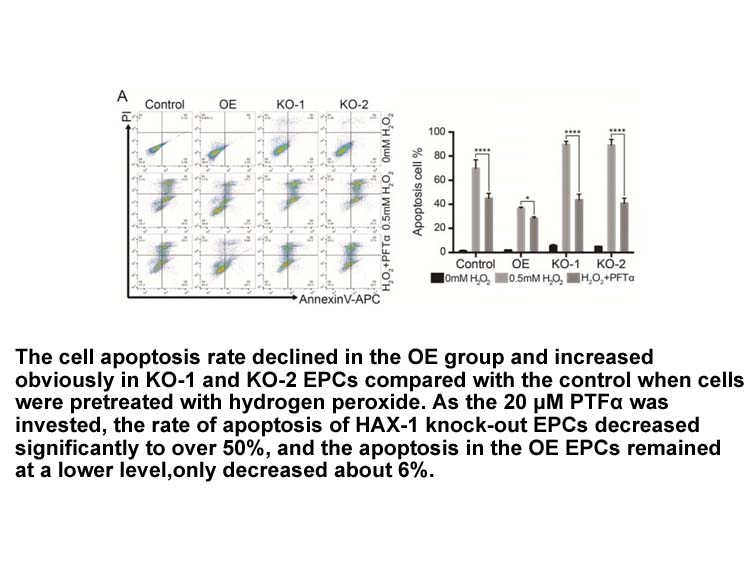
5-HT3 receptors are distributed throughout the brain, within the brainstem (e.g., nucleus tractus solitarius, area postrema and spinal trigeminal nucleus) and rho kinase inhibitors (e.g., hippocampus, amygdala, nucleus accumbens, putamen and caudate) (Abi-Dargham et al., 1993, Barnes et al., 1989, B
-
br Identification of the kinase
2023-04-11
Identification of the kinase that phosphorylates P450c17 The first Ser/Thr kinase that phosphorylates P450c17 was identified only recently. Of the 518 kinases in the human ‘kinome’ 278 are Ser/Thr kinases (Manning et al., 2002), but microarrays identified only 145 Ser/Thr kinases in human NCI-H29
-
br Increased blood ATX and
2023-04-11

Increased blood ATX and LPA in liver fibrosis Although previous in vitro findings have suggested a link between LPA and liver fibrosis in vivo, whether LPA plays a primary role in the pathogenesis of liver fibrosis has remained uncertain. No phenotypic changes in livers of LPA receptor-deficient
-
Several studies have demonstrated that depletion of function
2023-04-11
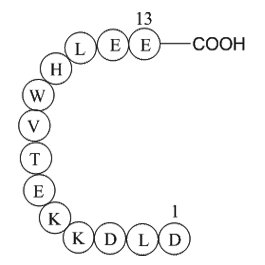
Several studies have demonstrated that depletion of functional ATR increases the sensitivity of cancer cells to oncogene-induced replication stress thereby hindering tumour growth and inducing extensive cell death (Gilad et al., 2010, Murga et al., 2011, Schoppy et al., 2012). Importantly, Schoppy e
-
The compounds containing beryllium act as strong Lewis acids
2023-04-11
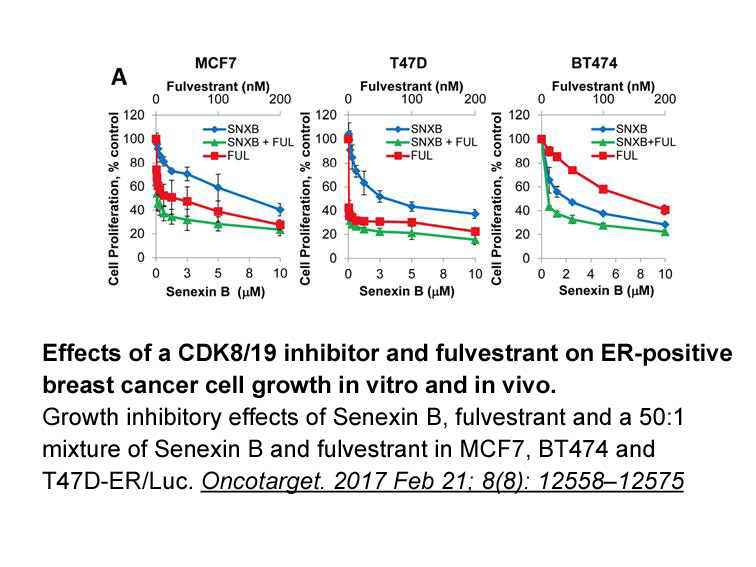
The compounds containing beryllium act as strong Lewis acids because of electron deficiency of the Be bet bromodomain []. Interactions of X-Be-Y compounds with different Lewis bases have been studied by Yanez and co-workers [], extensively. Recently, they proposed a class of extremely strong bident
-
GABAB receptor is associated with
2023-04-11

GABAB receptor is associated with Talarozole and behavioral diseases, including epilepsy, spasticity, anxiety and neuropathic pain (Bettler et al., 2004, Bowery et al., 2002, Froestl, 2010). Baclofen, a clinical drug and selective GABAB receptor agonist, is used to treat muscle spasticity in patient
-
Molecular simulation has proven useful in describing
2023-04-11
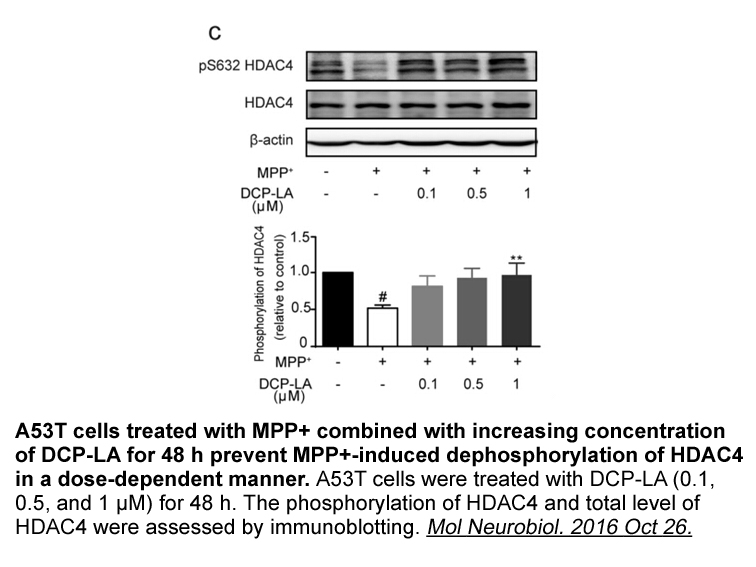
Molecular simulation has proven useful in describing the dynamics and energetics of NMDA receptor LBD cleft closure and the potentiating role of glycans (Yao et al., 2013, Dai and Zhou, 2013, Dai and Zhou, 2015, Dai and Zhou, 2016, Dutta et al., 2015, Omotuyi and Ueda, 2015, Sinitskiy and Pande, 201
-
In this study we first determined whether AIF in
2023-04-11
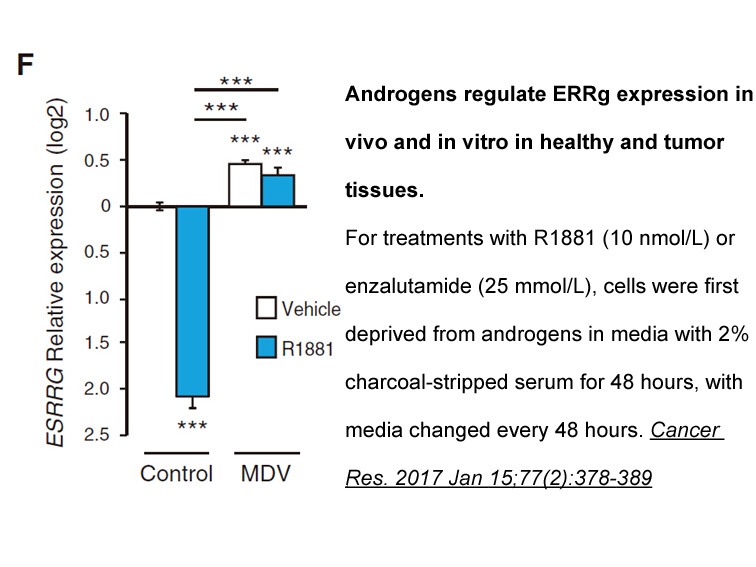
In this study, we first determined whether AIF in bovine LT muscle is expressed and the mitochondria released AIF-mediated apoptosis during postmortem aging. For apoptotic issues, the mitochondrial outer membrane is permeabilized, and AIF translocates to the cytosol and to the nucleus, where it indu
-
Our previous studies and others have identified that the
2023-04-11
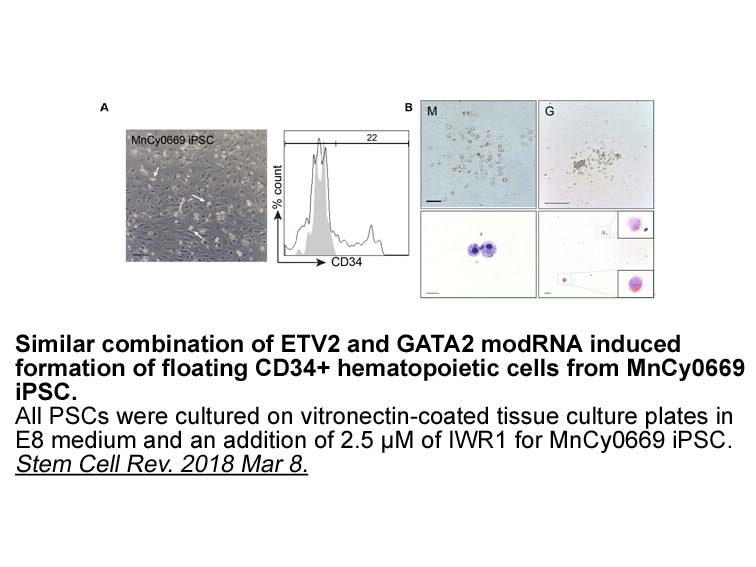
Our previous studies and others have identified that the inhalational anesthetic isoflurane induces neuronal apoptosis via [Ca2+]i overload through the opening of synaptic voltage-dependent calcium channels (VDCCs) and the excessive Ca2+ release from the endoplasmic reticulum (Zhao et al., 2011; Zha
-
Introduction Hepatocellular carcinoma HCC is
2023-04-11
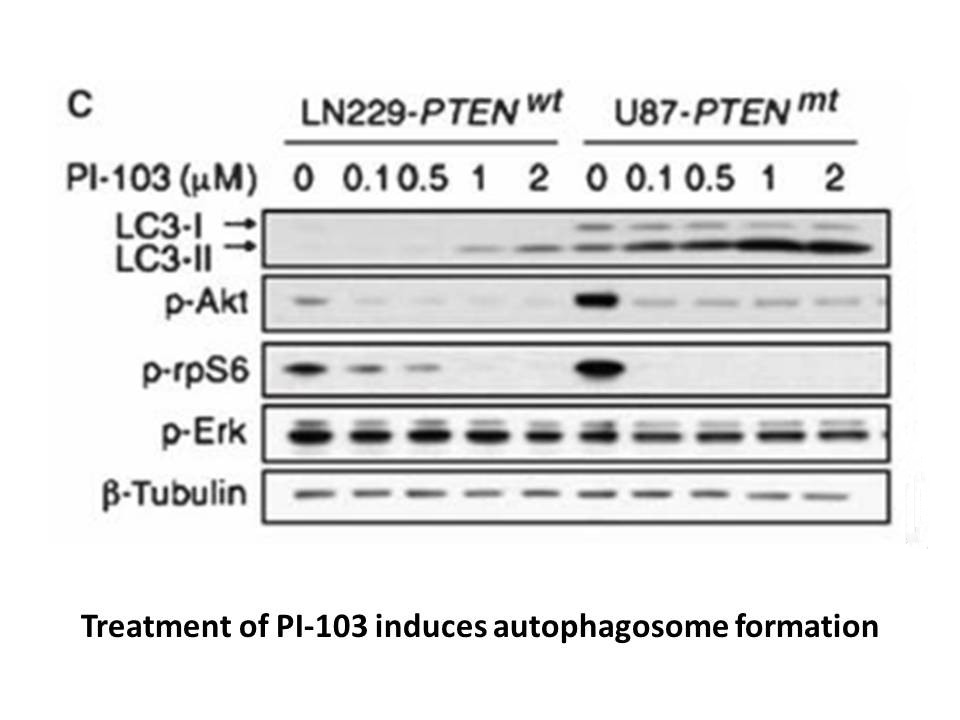
Introduction Hepatocellular carcinoma (HCC) is one of the most difficult cancers to treat, and it threatens human health severely [1]. Although various interventions, including surgical operation, radiofrequency ablation, and chemotherapy, have been endorsed, the prognosis of HCC patients remains p
-
A key function of the
2023-04-11
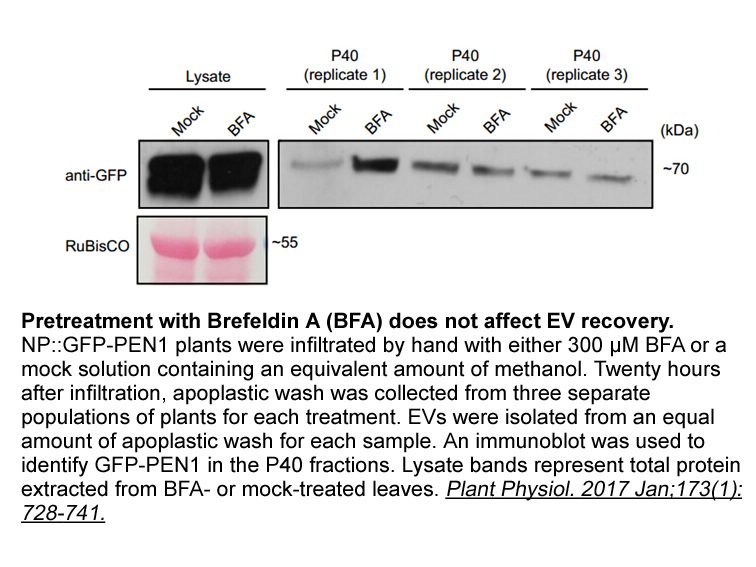
A key function of the reference AFST would be to detect fungal resistance, i.e. to determine which antifungal agents are likely to be clinically inactive [2]. To this end, the epidemiological cut-off value, defined as ‘the upper end of the wild-type (WT) or beginning of the non-wild-type (NWT) MIC d
7870 records 336/525 page Previous Next First page 上5页 336337338339340 下5页 Last page